





How do you choose colors for a bedroom?
Choosing the right colors for the bedroom plays a key role in creating a comfortable and relaxing space where we can unwind after a hard day. Shades of color have a significant impact on our well-being, and color psychology suggests that the right combinations can contribute to better sleep and reduced stress levels. It’s therefore worth considering not only the aesthetics but also the functionality of the space.
Article at a Glance

Which colors affect our mood and the quality of our sleep?
What are the best colors for a bedroom?
What color schemes?

Light colors, such as:
- white,
- cream,
- soft beige,
are perfect for smaller or dimly lit rooms. They help make the space appear larger and create a pleasant feeling of freshness. Pastel shades, on the other hand, such as:
- mint,
- powder pink.
Not only do they bring harmony, but they also create an atmosphere of calm, which fits perfectly with the concept of a relaxing interior.
On the other hand, darker colors, such as:
- deep navy blue,
- bottle green.
They can add elegance and coziness. However, keep in mind that they can make a room appear smaller. That’s why it’s a good idea to pair them with lighter accents, which creates a cohesive and harmonious design.
Intense colors, such as:
- bright red,
- garish orange,
are best avoided. They can cause excessive stimulation, which is definitely undesirable in a space intended for rest. That’s why it’s worth taking the time to carefully plan your bedroom’s color scheme to create a space that promotes health and restful sleep.

Which colors affect our mood and the quality of our sleep?
Colors have a significant impact on our well-being and the quality of our sleep. Green, particularly in shades of sage, olive, pistachio, and bottle green, has a calming effect. It promotes relaxation and can help lower blood pressure, creating an atmosphere of calm that supports the body’s recovery.
Shades of blue, such as classic blue, baby blue, and turquoise, also help reduce stress and improve sleep quality. Warm beiges and natural earth tones, such as brown and greige, add coziness and a sense of security to the bedroom.
Pastel shades—such as pink, peach, or mint—bring a sense of lightness to a room and have a positive effect on our emotions. On the other hand, intense red and bright shades of orange and yellow can be too stimulating, making it difficult to wind down before bedtime.
A thoughtful choice of colors creates harmony in the bedroom, which directly affects our health and the quality of our sleep. Carefully considered color schemes are key to creating an environment that promotes relaxation and deep rest.

What are the best colors for a bedroom?
W sypialni kluczowe jest stworzenie atmosfery sprzyjającej relaksowi i spokojnemu wypoczynkowi. Dlatego warto postawić na stonowane odcienie, które wprowadzą harmonię oraz poczucie spokoju. Oto kilka kolorów, które doskonale wpisują się w ten klimat:
-
- light colors, such as beige,
- various shades of gray,
- greens, such as sage and olive,
- blues,
- pastel purples.
Earth tones, such as browns and greige, bring warmth and a sense of security to the bedroom. Light shades, like soft beige or cream, can make a room appear larger, which is especially important in smaller bedrooms.
Darker colors, such as deep navy or bottle green, can add elegance, but it’s best to use them sparingly so as not to overwhelm the space. By using these shades on an accent wall, combined with light-colored details, you can give the room depth and stylish sophistication.
It’s also worth considering the use of natural materials, which will highlight the harmony of colors and create a relaxing atmosphere, perfect for unwinding.
What color schemes
Choosing the right shades is crucial for creating a harmonious and relaxing bedroom. The colors should not only promote relaxation but also complement the other elements of the interior. Natural and muted tones, such as beige, soft greens, or pastel shades, are perfect for this purpose.
Several key color groups can be identified:
- Light colors: Shades of white, cream, and subtle beige bring a sense of freshness and make the room appear more spacious, which is especially important in small bedrooms,
- Pastel shades: Colors such as mint, powder pink, and lavender create an atmosphere of harmony and tranquility, perfect for a relaxation area,
- Subdued colors: Shades of green, such as sage or olive, lend the interior a cozy feel. Natural earth tones, such as brown or beige fabrics, harmonize perfectly with a variety of furnishings,
- Darker tones: Deep navy blues and bottle green add a touch of elegance. However, they should be used thoughtfully so as not to overwhelm the space; pairing them with light accents creates a harmonious design,
- Color accents: Vibrant colors used in small details—such as throw pillows or decorative accents—can liven up a space without disrupting its relaxing atmosphere.
The final color selection should promote a good night’s sleep and create an attractive visual effect. Carefully chosen color combinations allow you to create a unique space that invites you to relax after a tiring day.
Similar posts
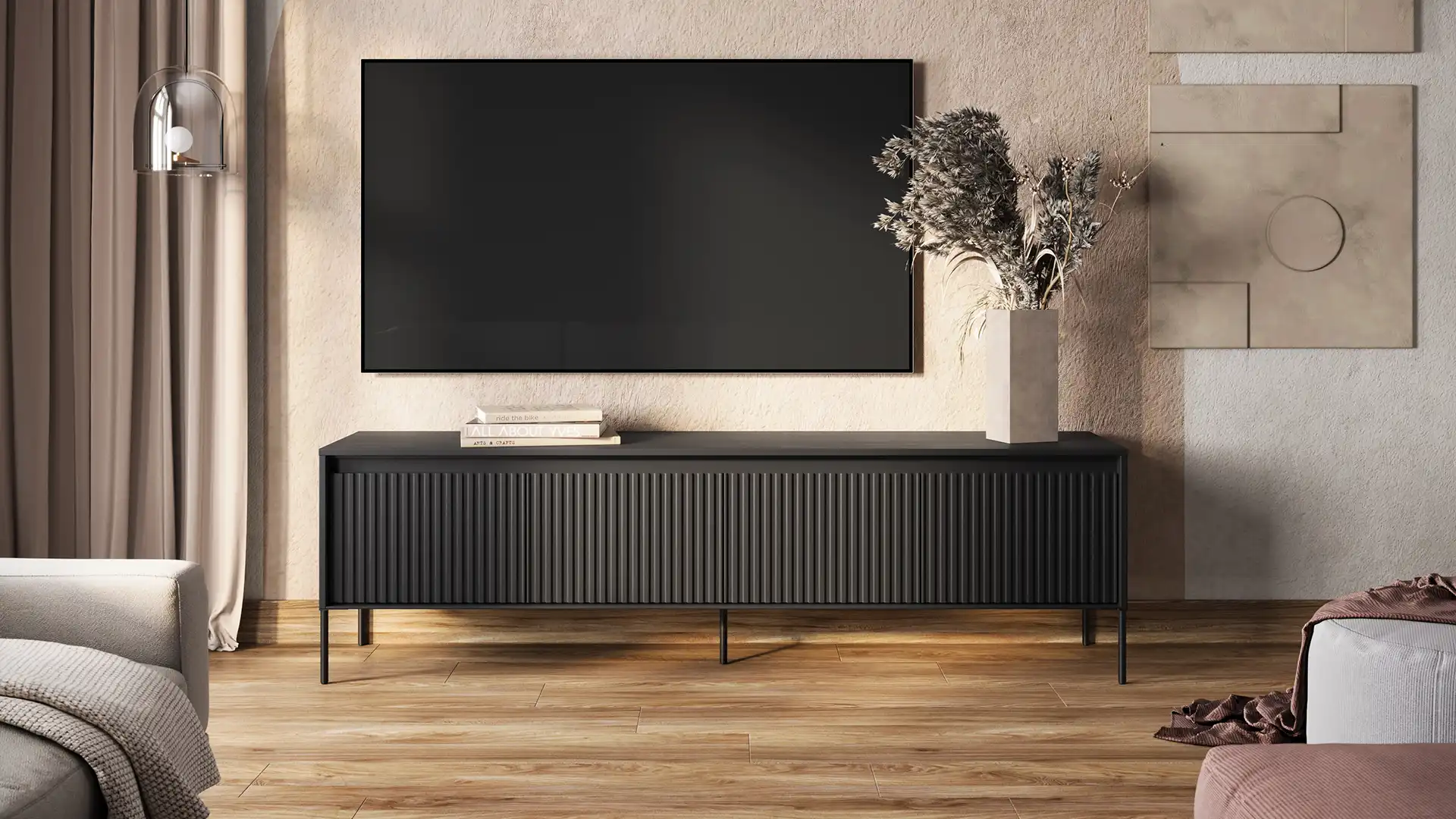
Home Entertainment Area—How to Plan It Right?
How can you design your home entertainment area so that it’s elegant, functional, and lets you enjoy time spent with your family?
Read more

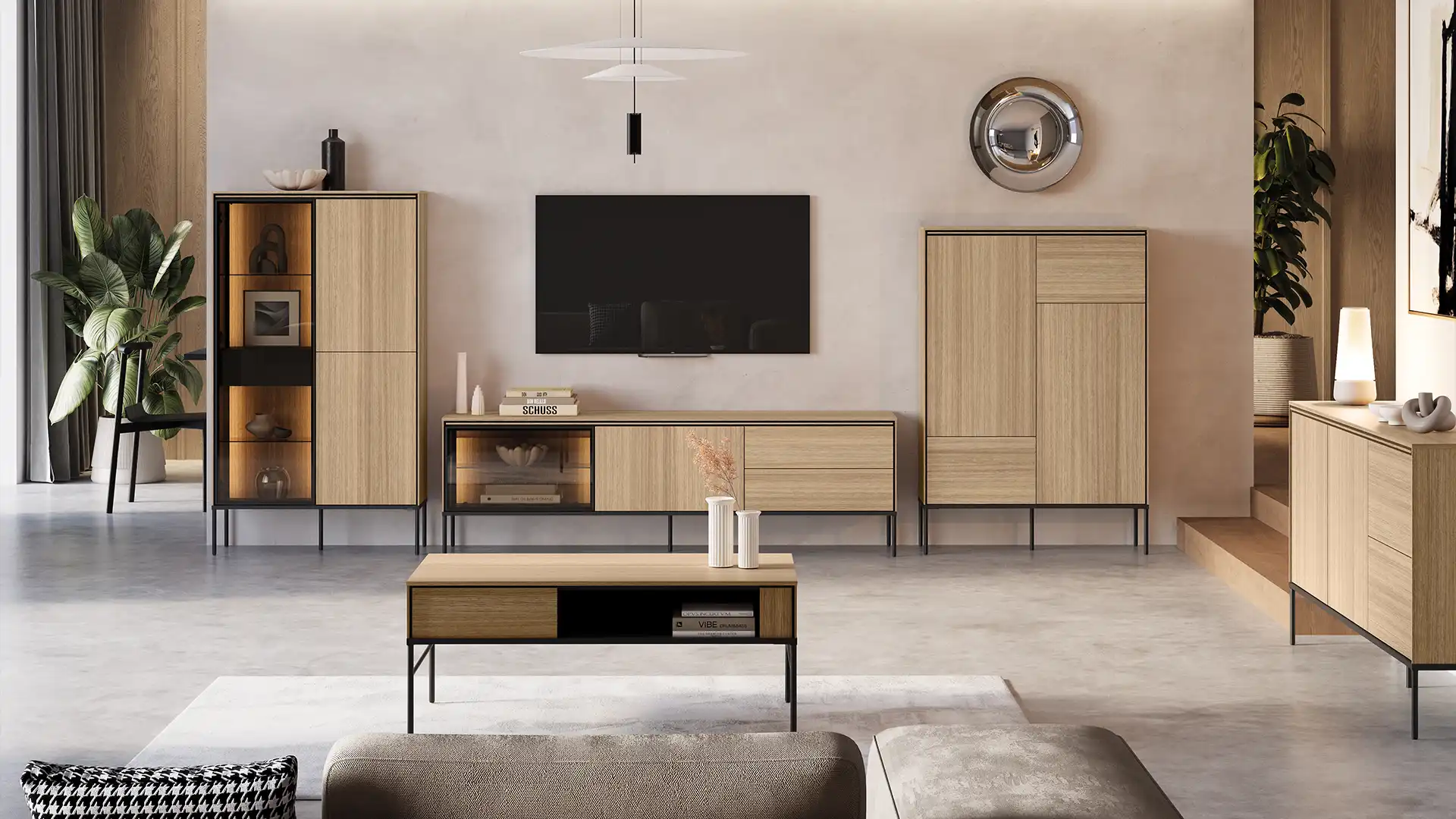
How do you decorate a living room?
Living room, family room, dining room—we call it many things, but everyone knows it’s the most important room in the whole house. How do you decorate a living room?
Read more
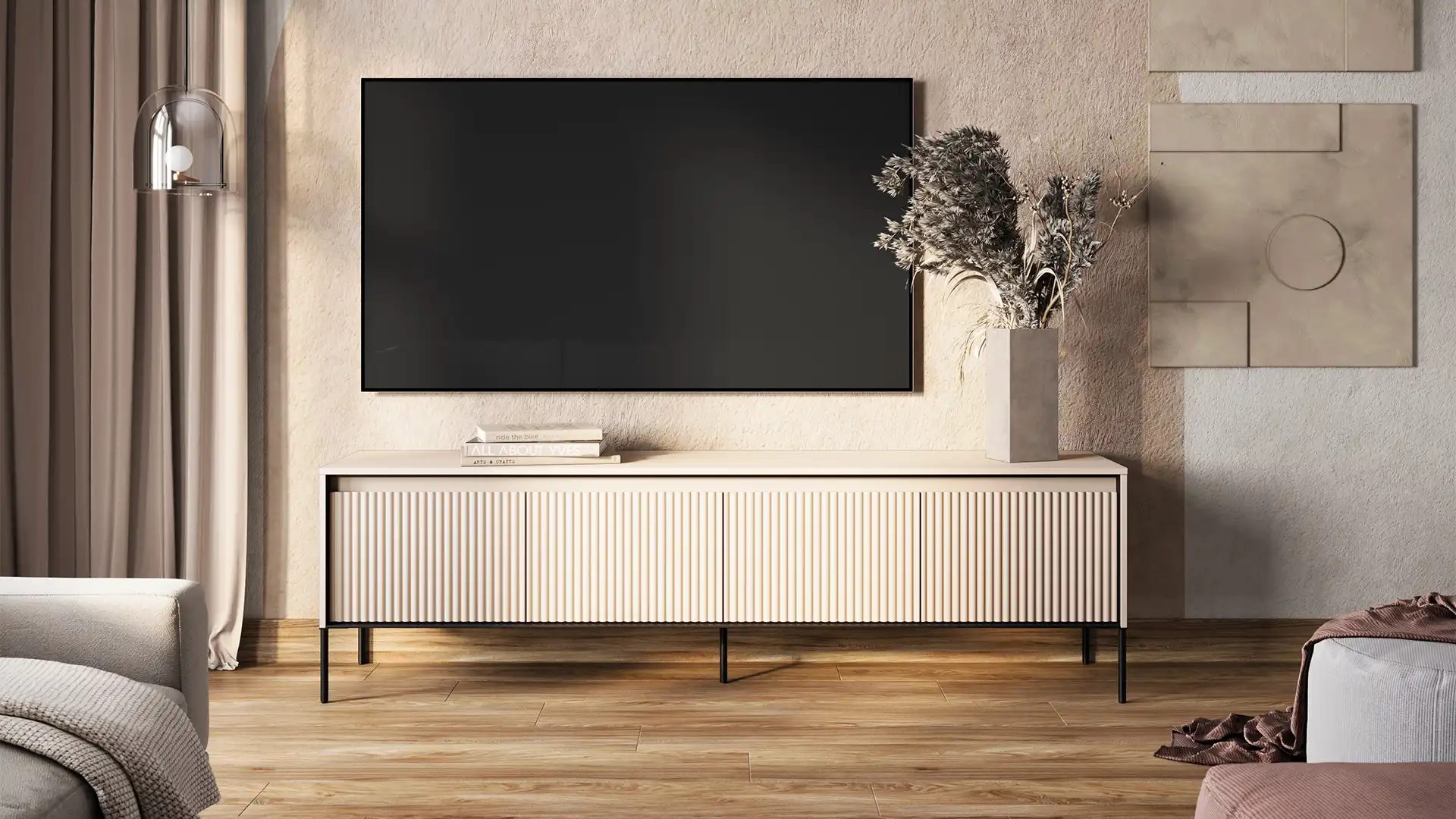
A Grooved Chest of Drawers and Interior Style
A grooved chest of drawers is a unique blend of functionality and aesthetics that is perfect for trendy and distinctive interiors—such as the living room, bedroom, and entryway.
Read more

What to Put in the Entryway
The entryway is an extremely important part of every home, where functionality meets aesthetics. It’s therefore worth considering a few key elements that can enhance this space.
Read more
